Team development is the process whereby a team works in a goal-oriented manner to improve collaboration, communication and performance. It is not a one-off training session, but a conscious and ongoing process in which team members work towards shared goals, clear agreements and more effective collaboration. Understanding each other’s behaviour, communication preferences and motivators helps in this regard.


Effective collaboration does not happen by itself. Teams are made up of people with different behavioural styles, communication preferences and ways of working. What feels logical and self-evident to one person may be perceived as unclear or frustrating by another.
These differences do not automatically lead to problems. However, if they are not recognised or addressed, they can result in miscommunication, irritations or a team that underperforms. Understanding these differences is therefore the first step towards better collaboration.
Differences in behaviour are not the only factor, however. Unclear goals, roles and responsibilities, insufficient coordination, workload or past experiences can also influence collaboration. DISC and motivators help to make one important aspect of these dynamics visible and open to discussion.











How teams perform depends on many factors. For example, you can examine the stages of team maturity using Tuckman’s model. This model describes four stages of maturity:
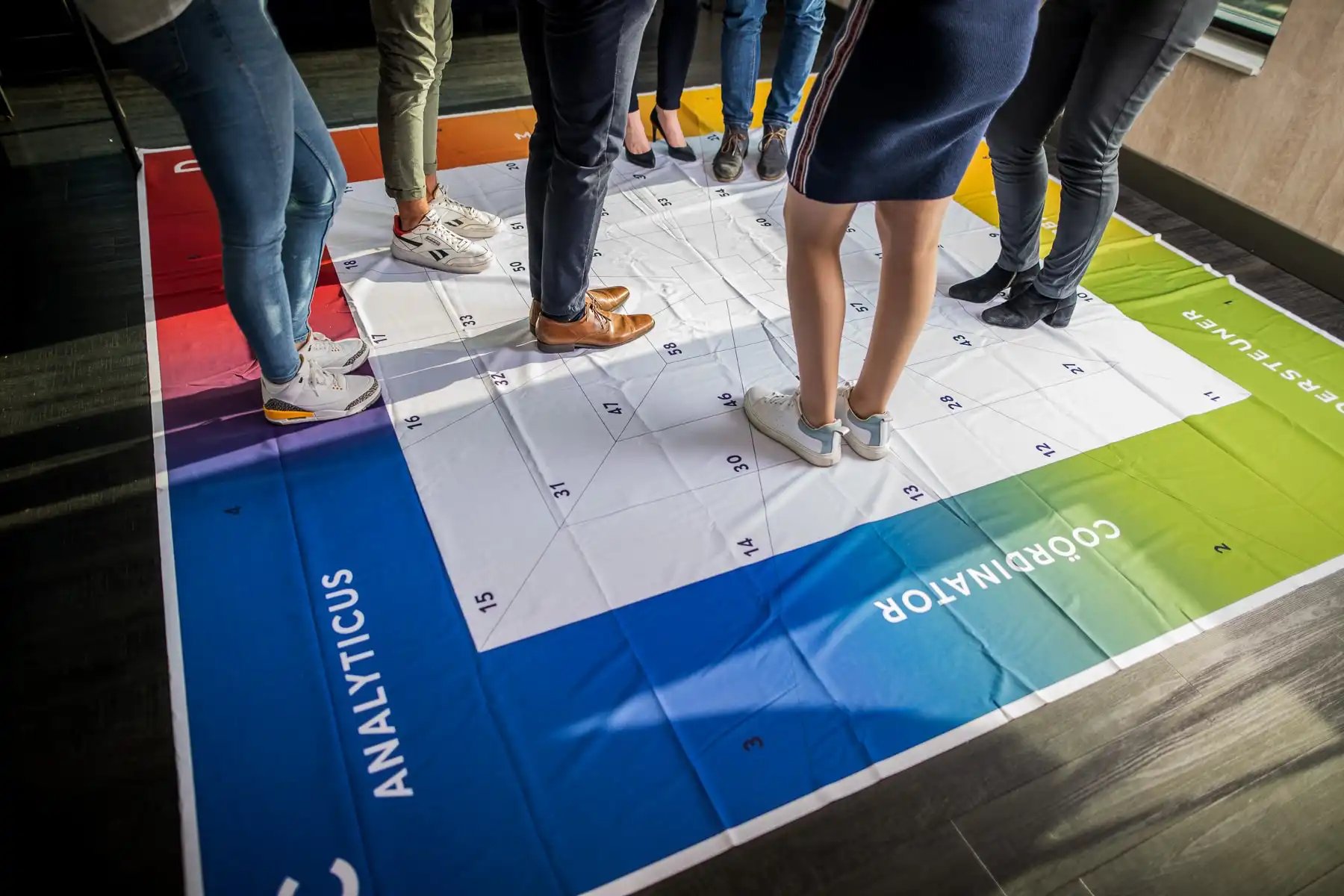
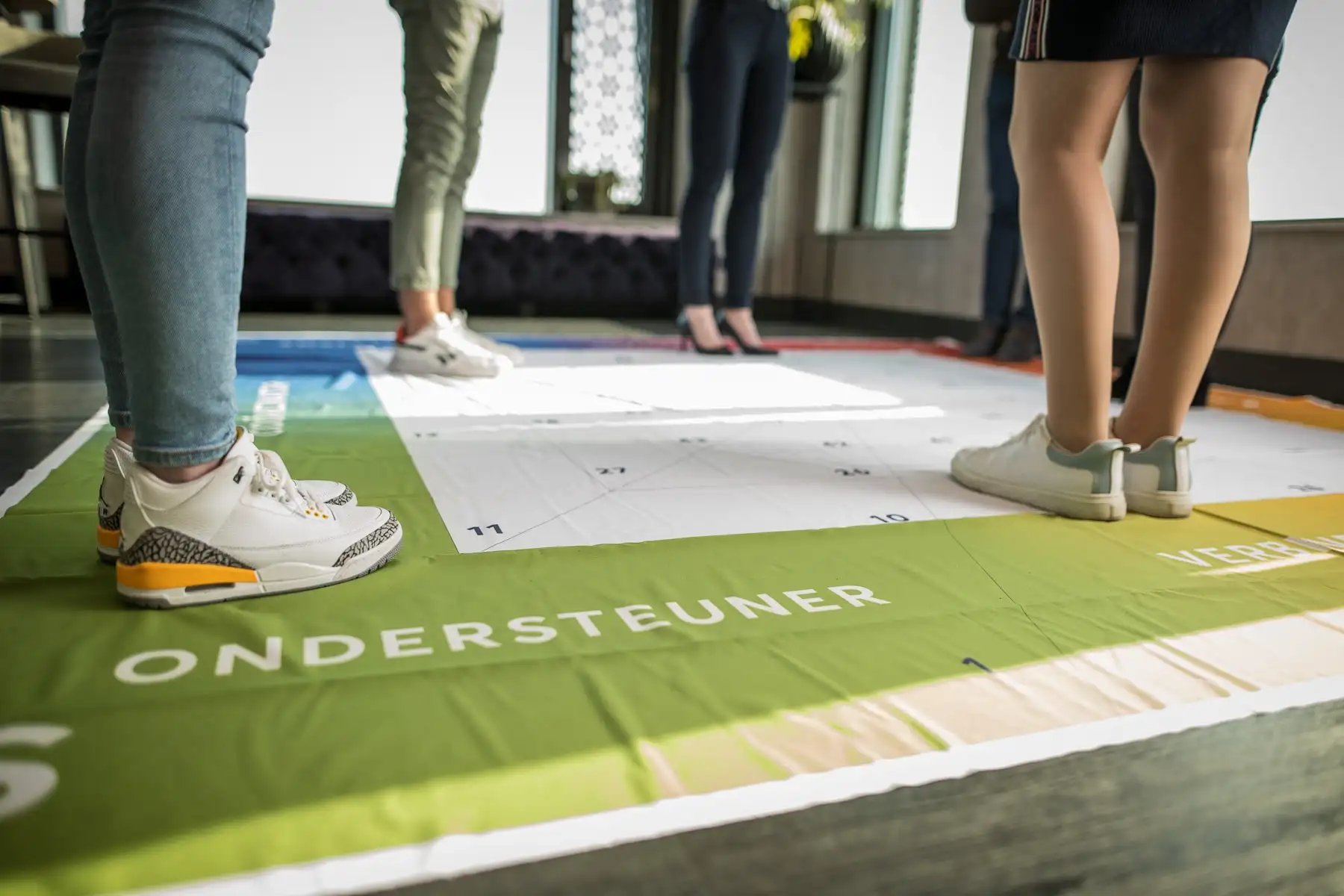
The DISC model identifies behavioural differences within a team based on observable behaviour. A DISC team assessment reveals the behavioural and communication preferences present within the team, how team members may react to one another, and where potential strengths and pitfalls lie.
DISC distinguishes four behavioural styles:
Dominance (D) – results-oriented and decisive
Influence (I) – communicative and inspiring
Stability (S) – supportive and unifying
Conscientiousness (C) – analytical and meticulous
Each team member displays their own unique combination of the four behavioural styles. By bringing the individual profiles together in a team analysis, preferences, patterns and differences between team members become apparent.
Not to pigeonhole people, but to raise awareness of how differences influence collaboration.


The six motivators can be categorised as follows:
A team may be well-matched in terms of behavioural styles, yet still experience friction. This is often because team members prioritise different things. One person draws energy from knowledge and in-depth understanding, whilst another from practical results or freedom. Yet another places particular value on harmony, equality or clear principles.
These motivators influence what someone focuses on, which choices appeal to them, and which situations energise them or, conversely, drain their energy.


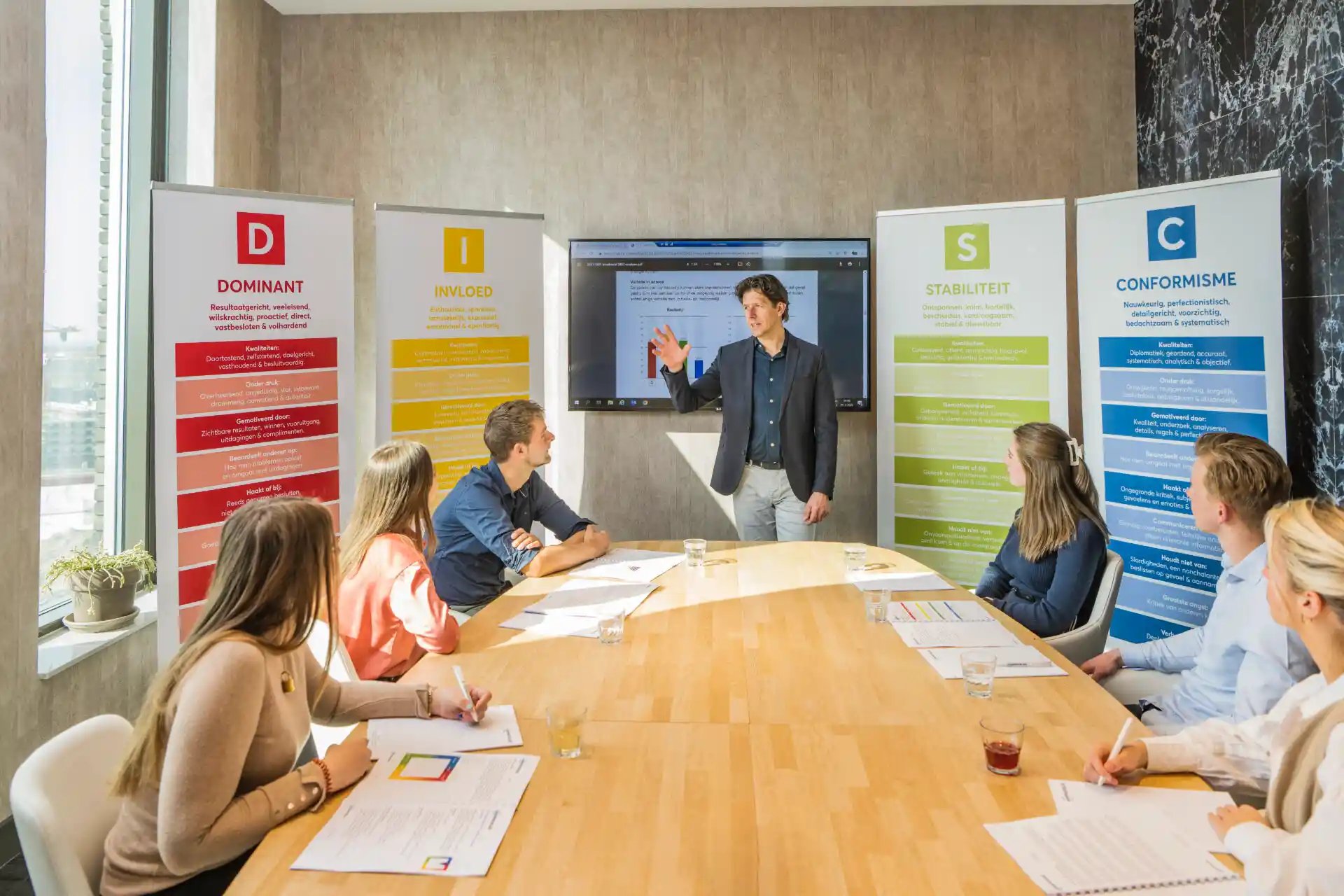
By translating insights into concrete behaviour and clear team agreements, a team increases the likelihood of better collaboration and stronger performance.
Sustainable team development also requires embedding these principles into day-to-day practice. The manager plays a key role in this by providing opportunities to practise, following up on agreements made, and regularly reflecting with the team on their collaboration. In this way, DISC and motivators become not a one-off intervention, but a shared language that remains alive within the team.

Gain insight into behavioral styles, communication preferences, strengths, pitfalls and how someone comes across to others.
→ Read more



Discover what drives people with a motivators assessment. Learn what motivates someone and uncover the engine behind their behavior.
→ Read more



Learn how a team is composed and discover which DISC styles are present, which are missing and to what extent all team roles are fulfilled.
→ Read more


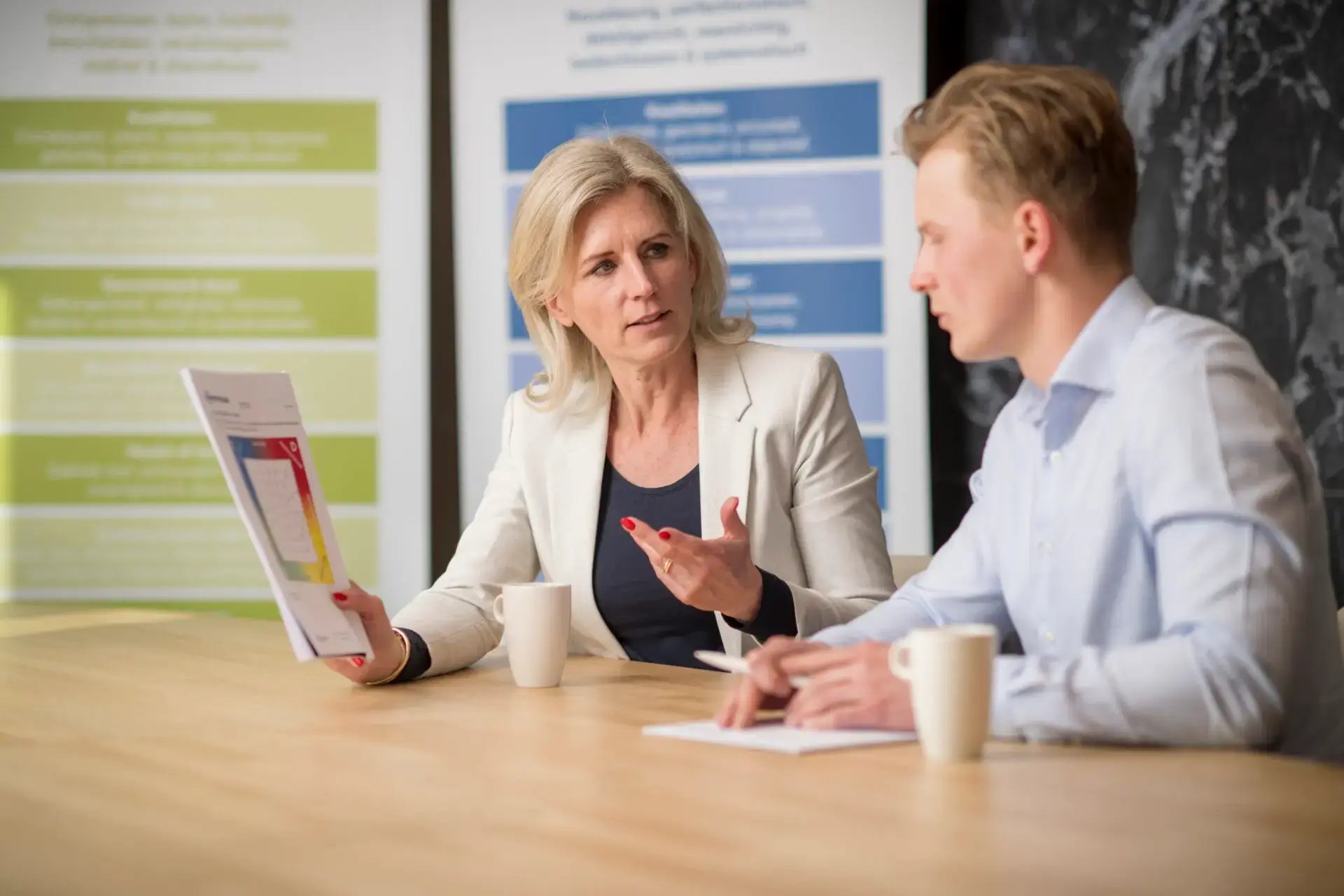
Organisations that wish to continue to perform well, invest in the engagement of their employees.


What makes recruitment effective, why do placements sometimes go wrong, and how do DISC and motivators help to make better and more sustainable matches?

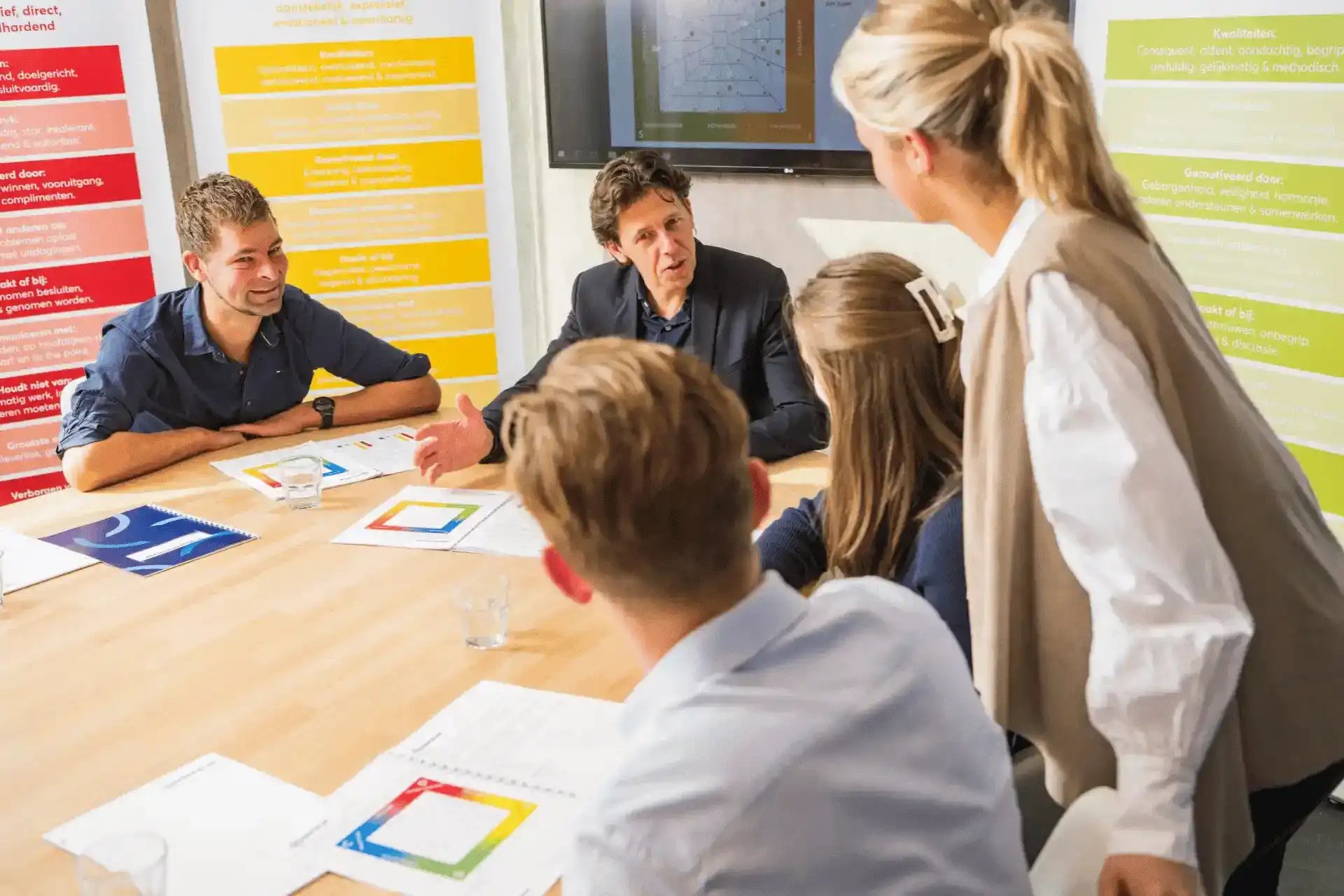
Organisations that wish to remain relevant and continually adapt to changing circumstances invest in leadership development.