Would you like to gain a better understanding of behaviour, communication and collaboration within your organisation? A DISC assessment will give you a clear picture of your employees’ behavioural preferences.


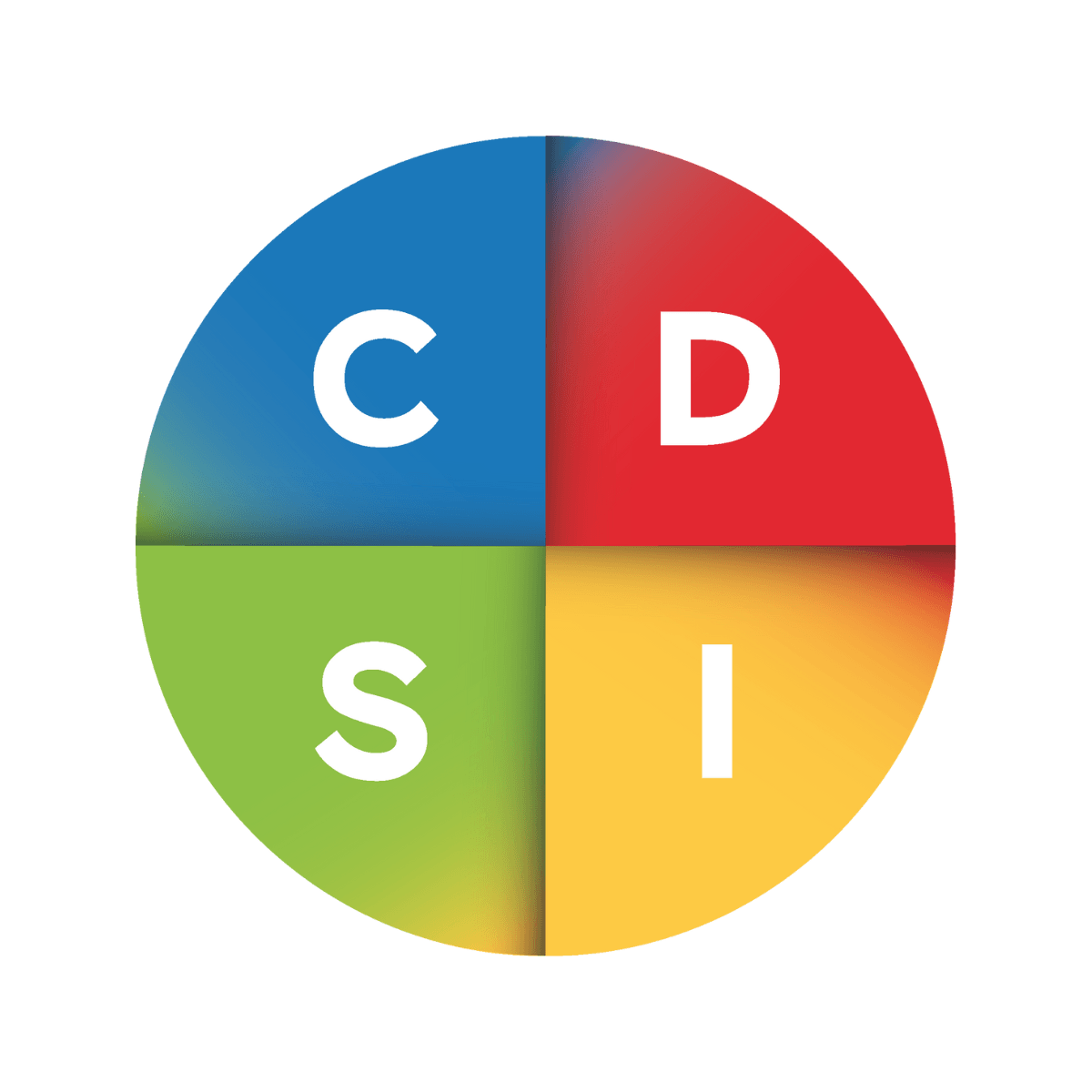
DISC identifies how people communicate, how they come across to others and how they act in practice. The model is an assessment based on Marston’s four-factor model: dominance, influence, stability and conscientious. DISC provides insight into ‘how’ people operate. How do they approach things? How do they react to others? And how does this behaviour manifest itself in collaboration?
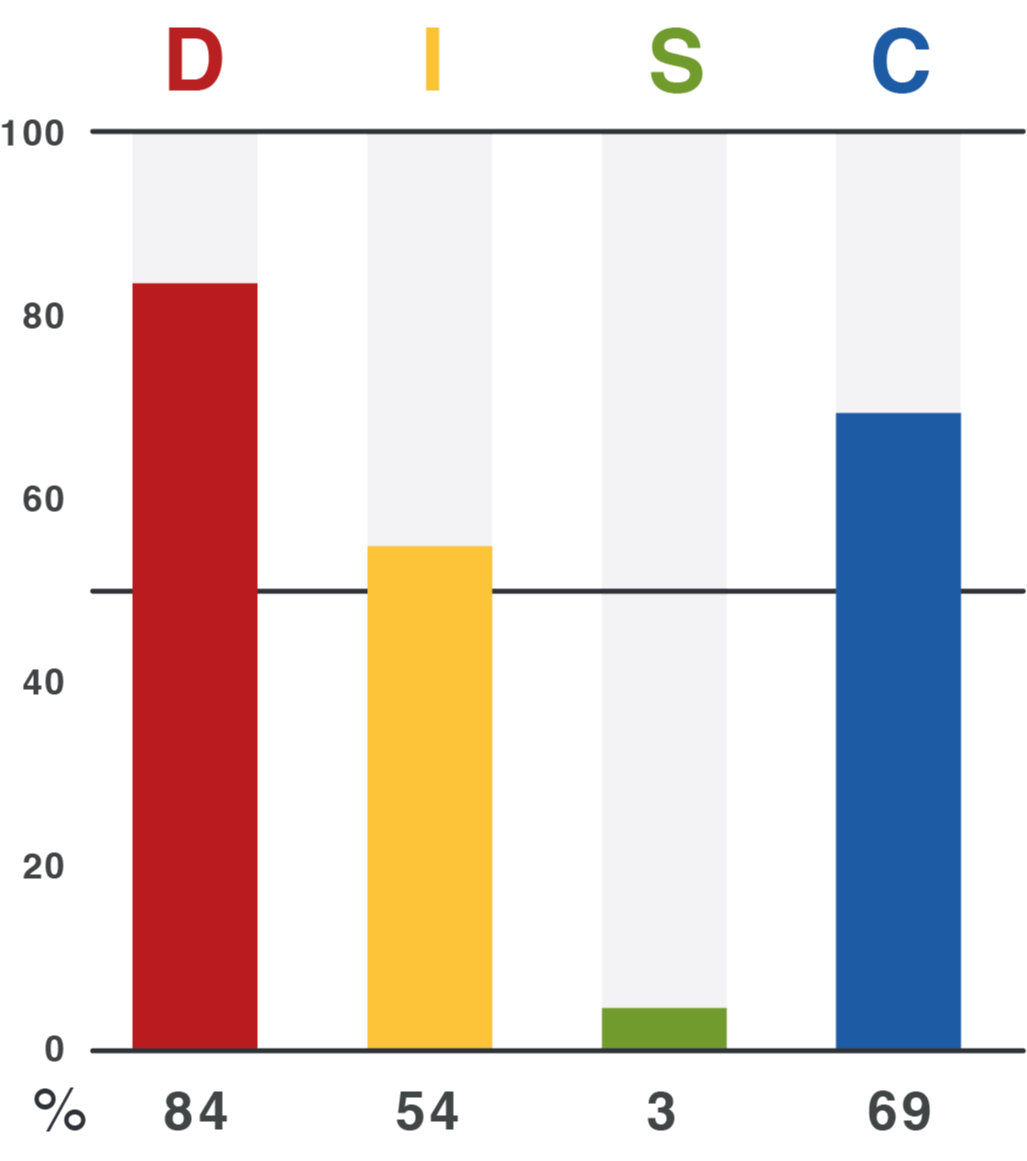
A DISC assessment provides organisations with a practical tool to better understand behaviour and communication. Among other things, our DISC assessment helps with:
After completing our DISC assessment, each participant receives a personalised DISC report. This report provides insight into the participant’s behavioural preferences, communication style, strengths and areas for development.












Download the DISC sample report.
Get a taster of our DISC assessment, with no obligation. See how the DISC assessment is structured and how it might apply to your situation.

Would you like to request a DISC assessment? Via the DISC Boulevard online platform,
you can easily manage assessments for multiple participants at the same time.
You decide for yourself the scale on which you use the assessments and when you invite participants.
→ View our method
%20analyses.png?width=50&height=50&name=(Koop)%20analyses.png)
Obtain credits for assessments

Develop your participants

Would you like more insight than just behaviour? If so, you can supplement the DISC assessment with a motivators assessment or opt for a combination assessment of DISC and motivators. Do you work with a team? In that case, a DISC team assessment provides insight into the behavioural styles within the team.

Gain insight into behavioral styles, communication preferences, strengths, pitfalls and how someone comes across to others.

Learn how a team is composed and discover which DISC styles are present, which are missing and to what extent all team roles are fulfilled.
→ Read more


The combination assessment brings DISC and motivators together in one profile. Get a complete picture of both how someone behaves and why.
→ Read more