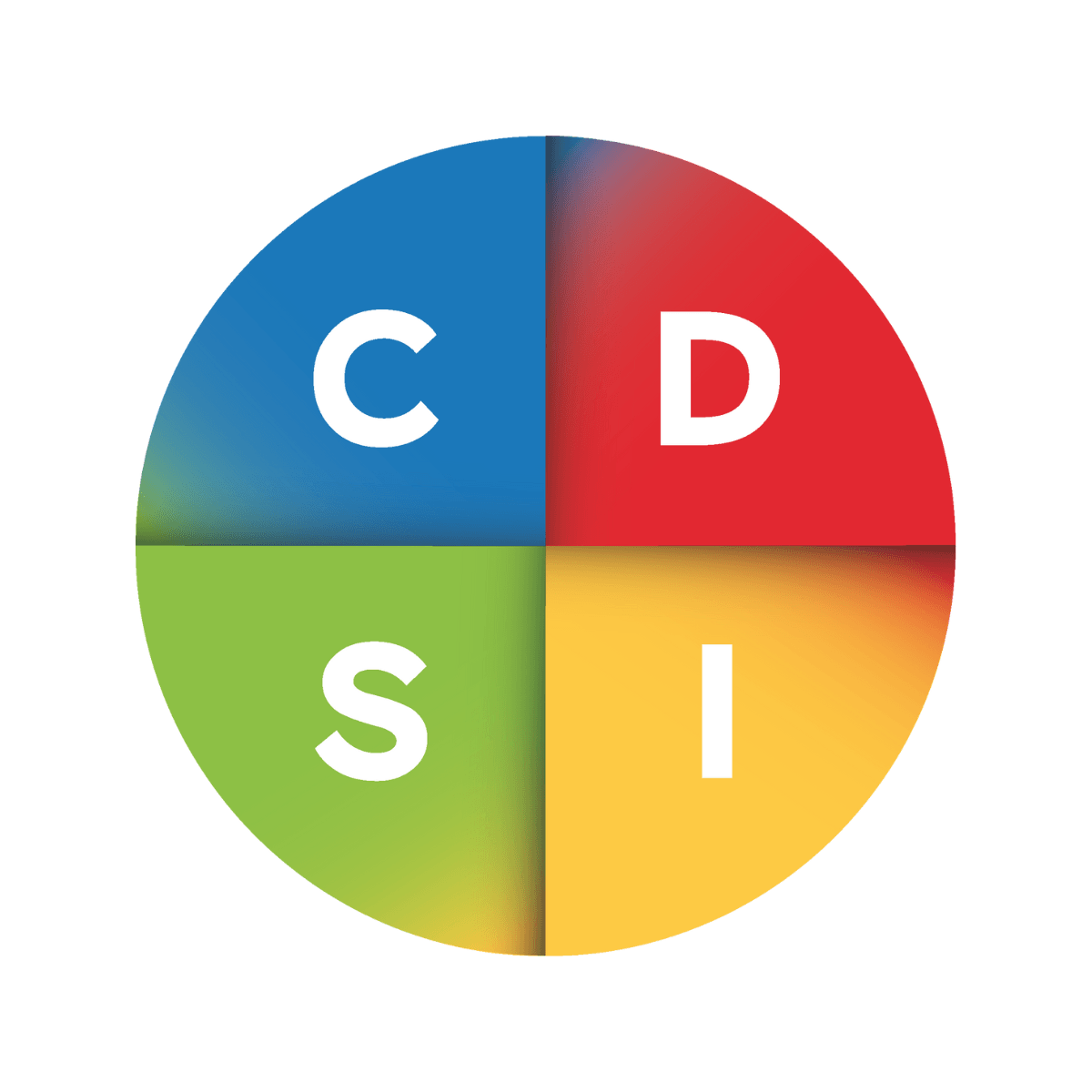
The DISC team assessment helps you understand the composition of a team. It brings together individual behavioural styles into a single, clear team overview and provides insight into the team’s strengths and areas for development. This reveals which DISC styles are present, which are missing, and how team members react to one another and work together. This makes it easier to improve communication, strengthen collaboration and achieve team goals.


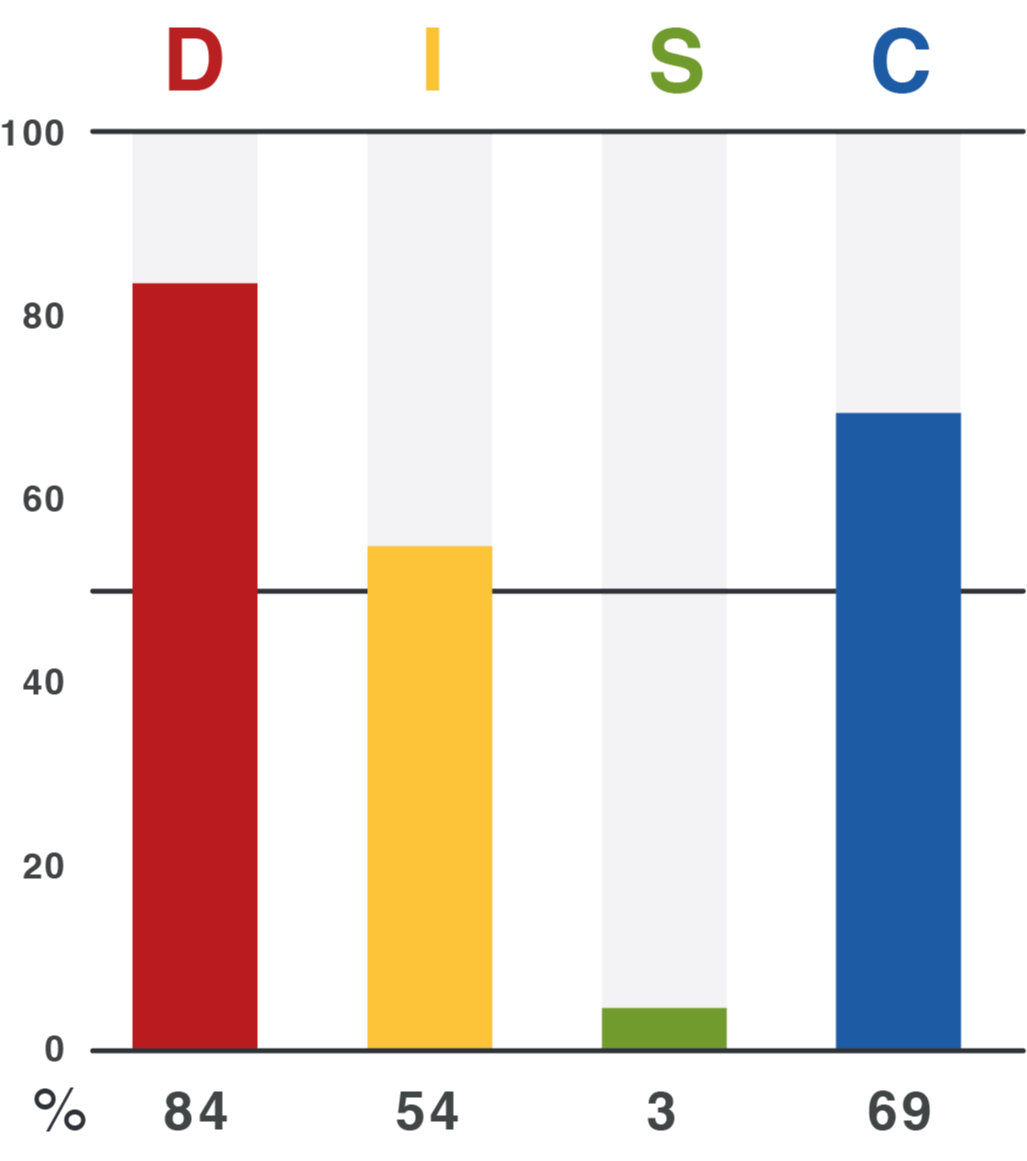
The DISC team assessment is a valuable resource for HR professionals, coaches and trainers looking to work on team development. The team assessment provides tools to:
Why not give our DISC mat a try when you start working with your team?











Download the DISC team sample report
Get a taster of our DISC assessment, with no obligation. See how the DISC assessment is structured and how it might apply to your situation.

Via the DISC Boulevard online platform, you can easily manage team analyses for multiple participants at the same time.
You decide for yourself the scale on which you use the assessments and when you invite participants.
%20analyses.png?width=50&height=50&name=(Koop)%20analyses.png)
Obtain credits for assessments

Develop your participants

Would you like to gain insight not only into behaviour but also into what motivates team members? Then supplement the DISC team assessment with a motivators team assessment.
This reveals where energy is generated, where it is lost, and how differences in motivation influence collaboration. Are you actively working with your team?
Then take a look at our DISC products. These offer practical activities to facilitate discussion of team dynamics during a team session

Learn how a team is composed and discover which DISC styles are present, which are missing and to what extent all team roles are fulfilled.

The motivators team assessment brings individual motivations together in one clear team overview. This reveals where energy is flows and what drives the team forward.
→ Read more