Effective communication seems self-evident, but in practice it often goes wrong. Discover what effective communication entails, why it goes wrong, and how the DISC model helps you to communicate more consciously and effectively.


Effective communication means that your message not only gets across, but is also understood exactly as you intended. So it’s not just about what you say, but also about how you say it and how the other person receives it. Behaviour, tone, pace, body language and expectations all play a part in this.
In practice, people often think they are communicating clearly, whilst the other person interprets the message differently. Effective communication helps us to be more in tune with one another. You understand more quickly what someone means and can express your own needs more clearly. This prevents conversations from going at cross-purposes.


Communication often goes wrong because people react, think and process information differently. What feels clear and direct to one person may be perceived by another as curt or unfriendly. What one person sees as calm and thorough may feel slow or cumbersome to another.
The problem, therefore, does not always lie in the content of the message. Misunderstandings often arise because people misinterpret each other’s behaviour. By gaining a better understanding of these differences, it becomes easier to tailor communication more effectively to the individual and the situation.












The DISC model identifies communication differences based on observable behaviour. It is not a personality test, but a practical tool that shows how someone communicates naturally, what they need when working with others, and where the pitfalls lie.
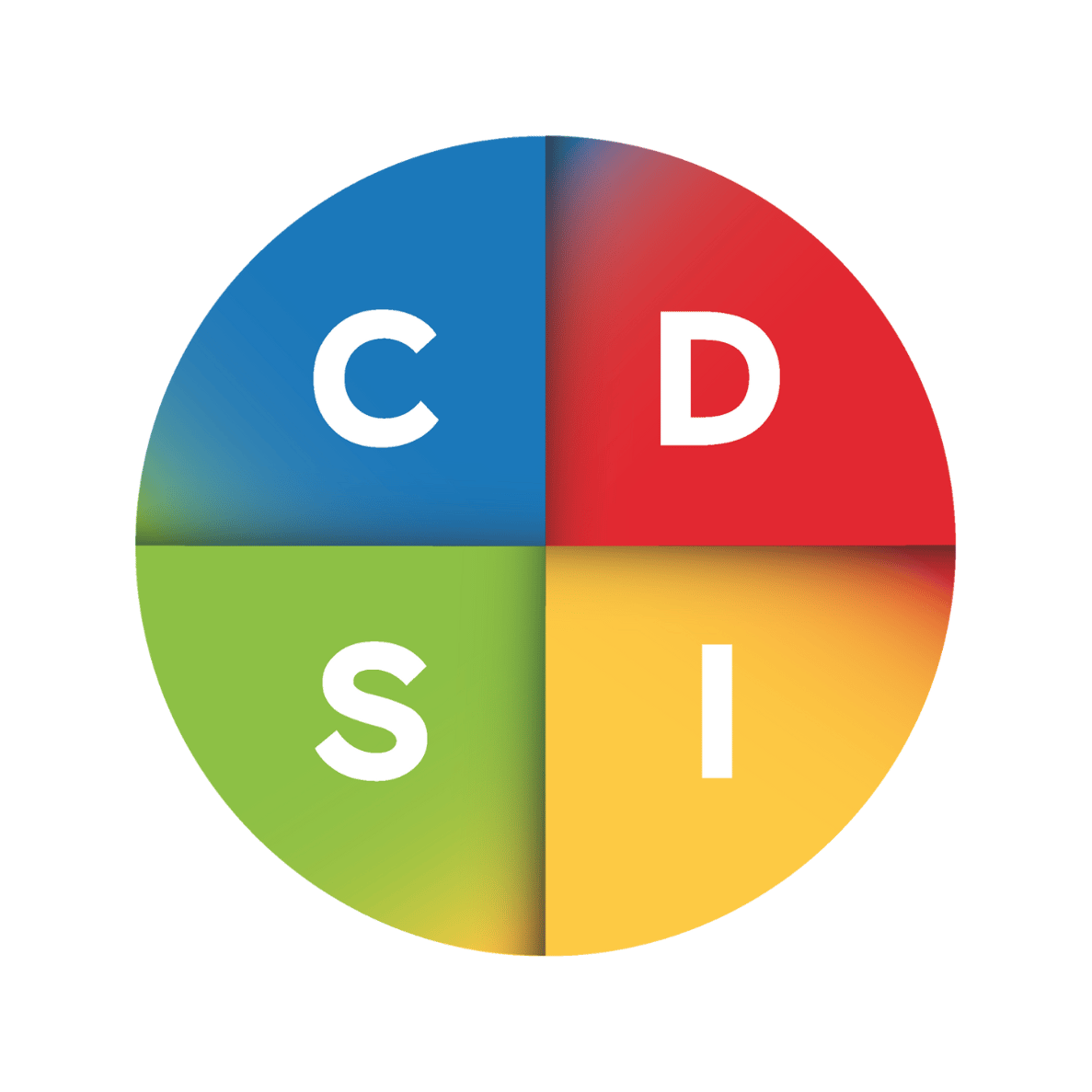
DISC distinguishes between four behavioural styles: dominance, influence, stability and conscientious. A DISC assessment and a personal DISC profile reveal which style(s) a person exhibits and how this influences communication. The goal is not to label people, but to foster awareness: both of oneself and of others. DISC is therefore not an end in itself, but a means to make communication more conscious and effective.


Applying DISC goes beyond mere insight. Understanding behaviour is a first step, but ultimately it is about learning to adapt one’s communication where necessary. With DISC, you can, for example, work on:
This practical application leads to more conscious communication behaviour. This helps to conduct conversations more effectively, prevent misunderstandings more quickly and connect better with others.
Do you want to improve communication within a team, organisation or partnership? Then DISC can help to provide insight into behaviour and communication preferences. A DISC assessment provides practical information on how someone communicates, how they come across to others and where opportunities lie for more effective collaboration. In this way, communication becomes not just something that happens automatically, but something you can consciously work on.
Would you like to discuss first? Contact our team.




Learn how a team is composed and discover which DISC styles are present, which are missing and to what extent all team roles are fulfilled.
→ Read more


Organisations that wish to continue to perform well, invest in the engagement of their employees.

-225.jpg_compressed.webp?width=1920&height=1280&name=HRMprofielen%20(22maart2022)-225.jpg_compressed.webp)
High-performing teams form the foundation of a successful organisation. For teams that achieve lasting results.


Organisations that wish to remain relevant and continually adapt to changing circumstances invest in leadership development.